Why Broadcasting Rights Differ Between National Team Matches and Professional League Matches
One Sport, Two Completely Different Rights Systems
Football fans often need several channels or platforms to follow different competitions. A domestic league may be available through a paid service, while national team matches appear on free television or a completely different streaming platform. When a new season or tournament begins, the broadcaster may change again.
The reason is not the team or the players. It is the media-rights structure behind each competition. National team football and professional club football are separate products, controlled by different organizations and licensed under different contract cycles.
To find out where a match will be shown, viewers should first identify the competition and the organization responsible for its media rights.

Each Competition Has Its Own Media-Rights Controller
Professional competitions such as the Premier League, La Liga, Bundesliga, and K League are managed by league organizations. These organizations commonly package and sell domestic and international media rights on behalf of participating clubs.
A rights agreement may cover live matches, highlights, goal clips, analysis programs, social media content, and digital streaming. Contracts often run for several seasons, giving both the league and its media partners enough time to build long-term commercial plans.
National team football works differently. A national football association manages the team, but that does not mean it directly sells the rights to every match.
The rights arrangement depends on the type of competition. A home friendly may be handled differently from a World Cup qualifier, a continental championship, or a FIFA tournament. In those cases, organizations such as FIFA, UEFA, AFC, CONMEBOL, or another competition organizer may control or centrally market the relevant media rights.
This is why matches involving the same national team can appear on different broadcasters. Friendlies, qualifying matches, and tournament finals do not necessarily belong to the same rights package.
Season-Long Leagues and International Events Create Value Differently
A professional league is a continuous product. A broadcaster or streaming platform is not simply purchasing a few major matches. It is usually acquiring content that runs for several months.
A league package can provide weekly fixtures, pre-match and post-match programs, analysis, highlights, and club-related content. This regular schedule is particularly valuable to subscription services because it encourages supporters to remain subscribed throughout the season.
International football is less frequent. National team matches are generally played during designated international windows, while major tournaments such as the World Cup or continental championships take place on longer cycles.
There may be fewer matches, but attention can be concentrated around important fixtures. Major national team games often attract both regular football followers and viewers who only watch during major events.
It is therefore misleading to claim that a national team match is always more valuable than a club match, or the reverse. Rights values depend on the market, territory, exclusivity, contract length, distribution platform, and popularity of the competition.
The main distinction is that leagues create value through a large and consistent volume of content, while international football often creates value through scarcity and concentrated public interest.

Free Television and Paid Platforms Serve Different Business Models
Many viewers assume that national team matches should always be free, while professional leagues should always require a paid subscription. In practice, the situation is more complex.
Some countries have rules designed to protect sporting events considered especially important to the public. Certain tournaments or matches may need to be made available through broadcasters with wide public reach.
However, the protected events and legal conditions differ by country. A rule covering the World Cup does not necessarily apply to friendly matches, qualifiers, or every game involving the national team.
Outside specifically protected events, availability is determined by commercial contracts. The rights buyer may distribute matches through free-to-air television, cable, satellite, streaming, or a combination of platforms.
Professional leagues are well suited to subscription models because they provide weekly fixtures and a stable fan base. A supporter may keep a subscription for months in order to watch an entire club season.
National team events can reach a broader audience, but usually over a shorter period. Some broadcasters may therefore prioritize wide distribution and advertising revenue rather than relying only on subscription fees.
Even so, viewers should not assume that every national team match will be free. Access depends on the current rights agreement in each market.
Broadcasters Can Change After Every Licensing Cycle
Sports rights are not granted permanently. Most agreements apply only to a specific number of seasons, one tournament, or a defined competition cycle.
When a contract expires, the rights holder may renew with the current partner, hold a new bidding process, or divide the content into several packages. One company may acquire live rights, while another receives highlights or short-form digital rights.
The growth of streaming has made the market more competitive. Online platforms can now bid directly against traditional broadcasters and may secure exclusive rights for certain competitions or territories.
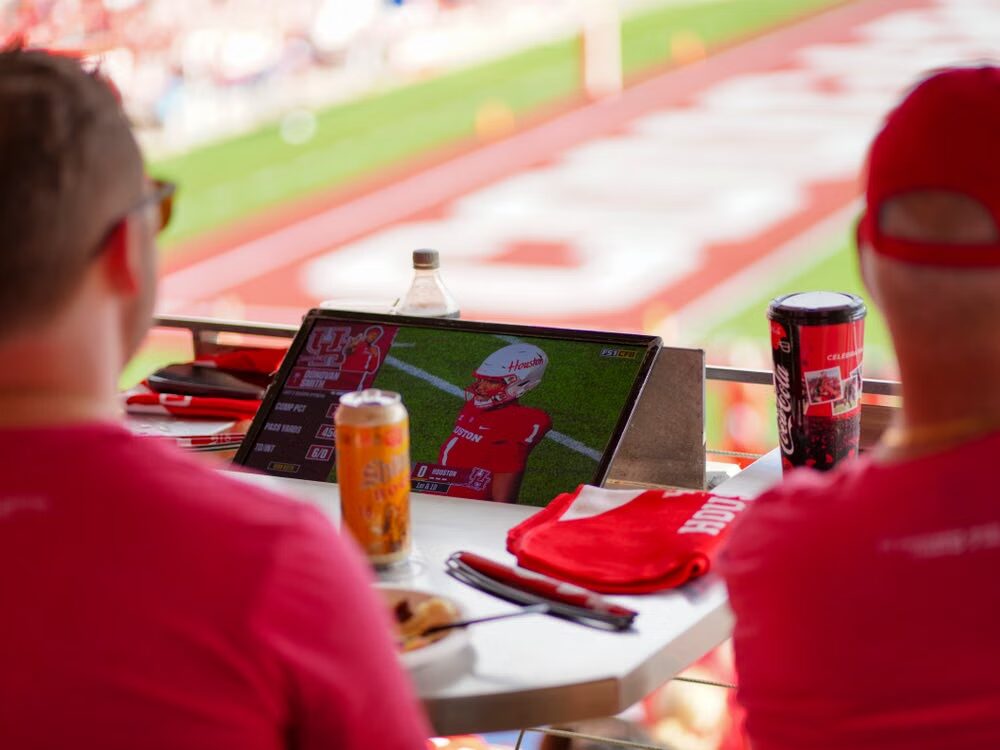
A competition moving from one broadcaster to another does not necessarily mean that the former broadcaster had a problem. In most cases, it simply reflects a new licensing cycle.
Before paying for a football package, viewers should confirm three things: the competition they want to watch, the current rights holder in their country, and the period covered by the agreement.
Someone who mainly follows one club should prioritize the service holding the rights to that club’s league. Someone who mainly watches the national team should verify each competition separately, because friendlies, qualifying matches, and tournament finals may be licensed through different packages.
Fans who follow both club and international football may still need more than one service. This fragmentation is not accidental. It results from each competition controlling and licensing its media rights independently.
Understanding how football broadcast rights are structured makes it much easier to predict where matches will be available and why coverage changes over time. Rather than assuming every competition involving the same team will appear on the same channel, viewers should look at the competition itself and the organization responsible for its media rights.
Before purchasing a subscription or searching for a live broadcast, check which competition the match belongs to and confirm the current rights holder in your country. Since broadcast agreements are renewed regularly, the platform carrying a league or tournament one season may not hold the rights for the next. Spending a few minutes verifying the official broadcaster can help you avoid unnecessary subscriptions and ensure you can watch the matches that matter most.