Choosing Between Package Forwarding Insurance and Seller Compensation Based on Damage Risk
When an item forwarded from another country arrives damaged, the first question should not be whether insurance or seller compensation is generally better. The useful question is:
At what point did the damage probably occur, and which company still had responsibility at that point?
A seller may be responsible for a defective product, inadequate original packaging, or damage that occurred before delivery to the forwarding warehouse. The forwarding company or international carrier may be responsible when an item was received in acceptable condition but was lost or damaged during repacking, consolidation, or onward shipment.
You may need to preserve both claim routes until the evidence shows which one applies. Contacting the wrong company first—or allowing a reporting deadline to expire while the companies blame one another—can leave you without a practical remedy.
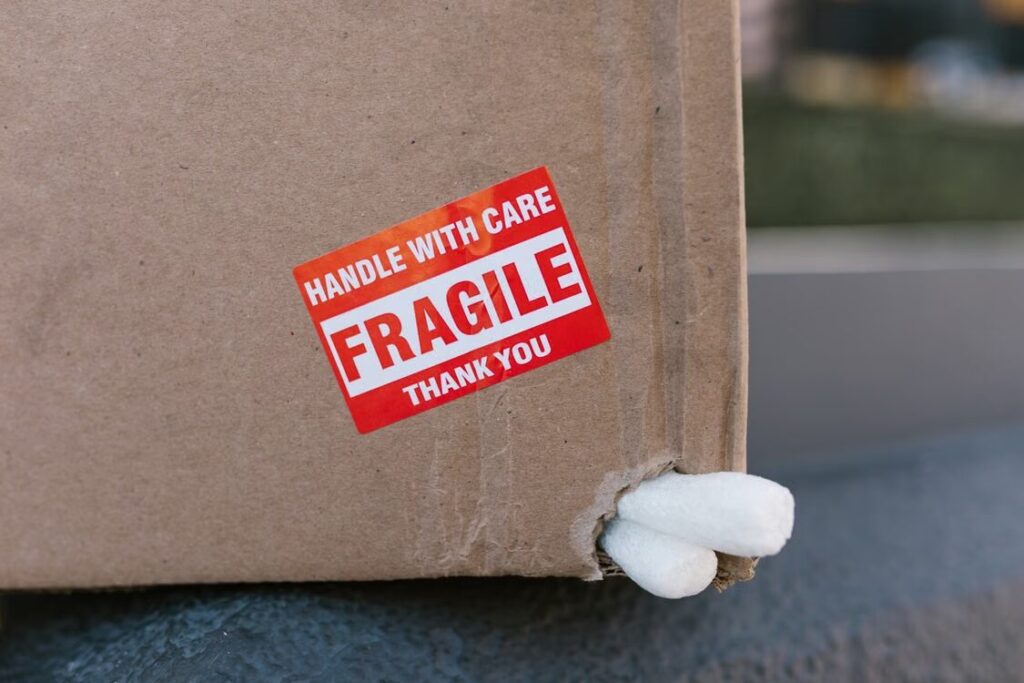
The Warehouse Intake Record Often Determines Who Should Receive the Claim
The most useful evidence is the condition of the parcel when the forwarding warehouse received it.
Some forwarding services photograph incoming packages, record visible exterior damage, verify weight, or offer a paid inspection service. These records can help separate three different problems:
| Evidence at the warehouse | Likely issue | First claim route |
|---|---|---|
| Outer parcel already crushed, wet, opened, or torn | Damage may have occurred before warehouse delivery | Seller, marketplace, or original domestic carrier |
| Parcel appears intact, but inspection finds a defective or damaged product | Manufacturing defect or inadequate seller packaging may be involved | Seller or marketplace |
| Item is documented as acceptable before consolidation but arrives damaged after international shipment | Repacking, consolidation, or onward transit may be involved | Forwarder’s protection plan or shipping claim |
| No intake inspection or photographs exist | Cause may be difficult to establish | Notify both parties immediately and preserve all remaining evidence |
Delivery to the warehouse does not automatically prove that the item itself was undamaged. A sealed box can look normal while the product inside is defective or broken. Conversely, discovering damage only after international delivery does not prove that the forwarder caused it.
For fragile or expensive purchases, inspection should therefore be arranged before the package is consolidated and sent abroad. Ask the warehouse to photograph the outer carton, internal packaging, product condition, serial number, and included accessories where the service permits it.
This creates a documented handoff point. Without it, the seller may say the item was damaged after delivery to the forwarding address, while the forwarder may say it received the parcel in its existing condition.
Do not discard the box, cushioning, labels, or damaged item after delivery. A carrier or insurer may require photographs or physical inspection, and repacking the product too early can weaken the claim.
Seller Compensation Is Strongest Before the Forwarder Changes the Parcel
A seller claim is generally the more logical route when the product was defective from the start, the wrong item was sent, parts were missing, or the original packaging was inadequate.
However, using a freight-forwarding address can complicate buyer protection. Some sellers and marketplaces consider their delivery obligation completed when tracking confirms delivery to the address supplied by the buyer. Problems that arise after the forwarding company receives, opens, repacks, consolidates, or exports the parcel may no longer fall within the seller’s normal protection process.
Before placing the order, check four points in the seller’s terms:
- Whether orders delivered to freight forwarders remain eligible for returns or buyer protection.
- Whether a damaged or defective item must be returned before a refund is issued.
- Who pays domestic and international return shipping.
- Whether a replacement can be sent only to the original forwarding address.
A seller may approve a return but still require the buyer to transport the item back from the destination country. For a large, fragile, or low-value product, return shipping can cost enough to make the remedy impractical.
This is why “the seller accepts returns” is not sufficient. The buyer needs to know whether the return procedure remains usable after international forwarding.
A seller may approve a return but still require the buyer to transport the item back from the destination country. For a large, fragile, or low-value product, return shipping can cost enough to make the remedy impractical.
This is why “the seller accepts returns” is not sufficient. The buyer needs to know whether the return procedure remains usable after international forwarding.
Seller compensation is generally the better starting point when the available evidence suggests the problem existed before the forwarding company altered or shipped the package. This is often the case when the warehouse records visible damage upon receipt, the product has a manufacturing defect that is unrelated to shipping, the seller delivered the wrong model, quantity, size, or color, or the original packaging was clearly inadequate to protect the item during normal domestic transportation. It is also important to confirm that the marketplace or retailer still extends buyer protection to purchases delivered through a forwarding address, as some platforms treat delivery to the forwarding warehouse as completion of the seller’s responsibility.
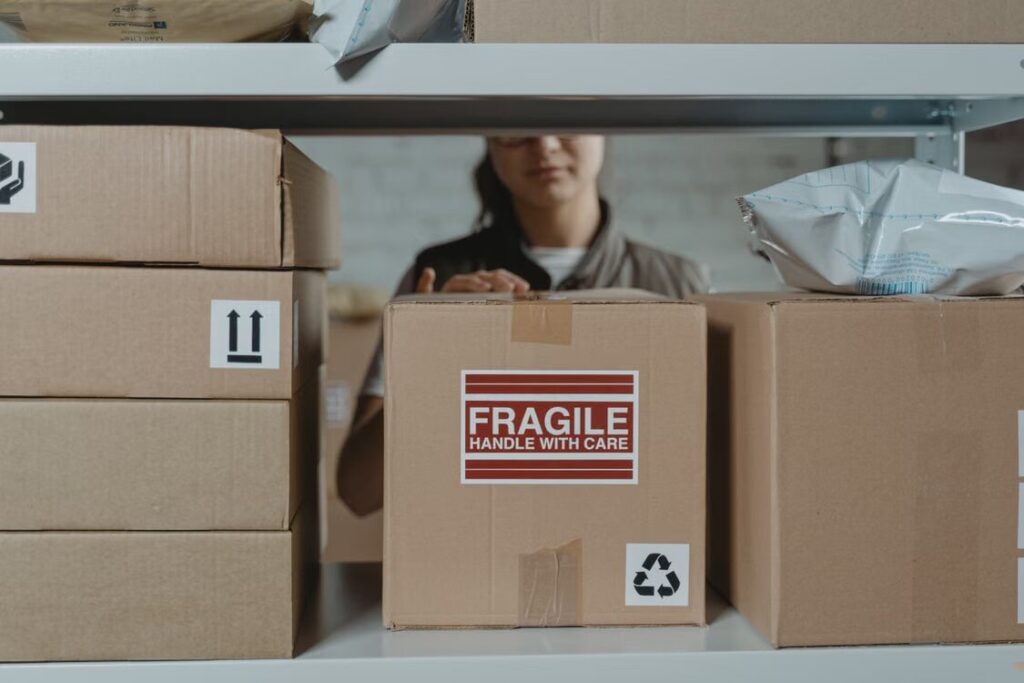
Notify the seller as soon as the problem is discovered. Provide the order record, warehouse intake photographs, tracking information, packaging images, and a clear explanation of where the parcel was when the defect or damage was first documented.
Avoid making a definite accusation when the cause is uncertain. State what the evidence shows and ask what documentation or return procedure is required.
Forwarder Protection Matters Only When Its Terms Match the Actual Risk
Coverage from a forwarding service becomes more important once the package is accepted, altered, consolidated, or shipped internationally. It may be the only realistic claim route when the seller delivered the item successfully but the package was later lost or damaged.
Still, the label used by the forwarder can be misleading. A service described as “insurance,” “shipment protection,” “declared value,” or “extended liability” may provide very different rights.
Carrier-declared value, for example, may increase the carrier’s maximum potential liability without operating as a separate insurance policy. FedEx expressly distinguishes declared value from shipping insurance.
Before paying for protection, read the terms and find clear answers to these questions:
- Which stage of transportation is covered?
- Does protection begin at warehouse receipt or only when the international shipment is dispatched?
- Are loss, theft, external damage, internal breakage, and missing contents all covered?
- Are repacking and consolidation errors included?
- Is payment based on purchase price, repair cost, depreciated value, or another calculation?
- Are shipping fees, taxes, customs charges, and forwarding fees reimbursable?
- Which items are excluded or subject to lower limits?
- What packaging standard must be met?
- How quickly must damage be reported?
- Who is authorized to submit the carrier claim: the customer or the forwarding company?
These details matter more than the premium alone.
A low-cost plan is of little value when it excludes the item being shipped. Common restrictions may apply to fragile goods, jewelry, cash-like instruments, antiques, artwork, perishables, improperly packaged goods, or items prohibited by the destination country. Exact exclusions differ, so they must be checked in the current contract rather than assumed.
The declared amount also deserves careful attention. It may establish only the upper limit of recovery. It does not necessarily guarantee reimbursement for the full amount, and the customer may need to prove the item’s actual value with an invoice or payment record. USPS rules, for example, connect insurance limits to declared and actual content value, although the exact service limits vary.
Preserve Both Options Until the Damage Point Is Clear
The best approach is not to select one party in advance and ignore the other. Build an evidence trail that shows the item’s condition at each handoff.
Before purchase, review the seller’s freight-forwarding and return rules. Before international dispatch, request inspection photographs for valuable or fragile items and read the forwarding company’s full protection terms. After delivery, inspect the parcel immediately and record the unopened carton, labels, seals, internal packaging, and item damage.
When a problem appears:
- Stop using or repairing the item unless safety requires otherwise.
- Photograph the unopened parcel and every packaging layer.
- Save the seller invoice, forwarding invoice, declared value, tracking records, and warehouse photographs.
- Report the problem to the forwarder within its stated deadline.
- Notify the seller or marketplace when the evidence suggests a defect or first-leg problem.
- Ask each company what additional evidence and claim form it requires.
- Keep the packaging until the claim is closed.
When the warehouse documented a defective or damaged product before repacking, seller compensation is usually the stronger starting point. When the item was documented as acceptable and was later lost or damaged, the forwarding or carrier claim becomes more relevant.
When no intake evidence exists, report the issue to both sides promptly without submitting conflicting accounts. The goal is to establish the timeline before any claim window closes.